FIGMA + UI/UX/CX Experience Design
Building Experiences That Delight Users
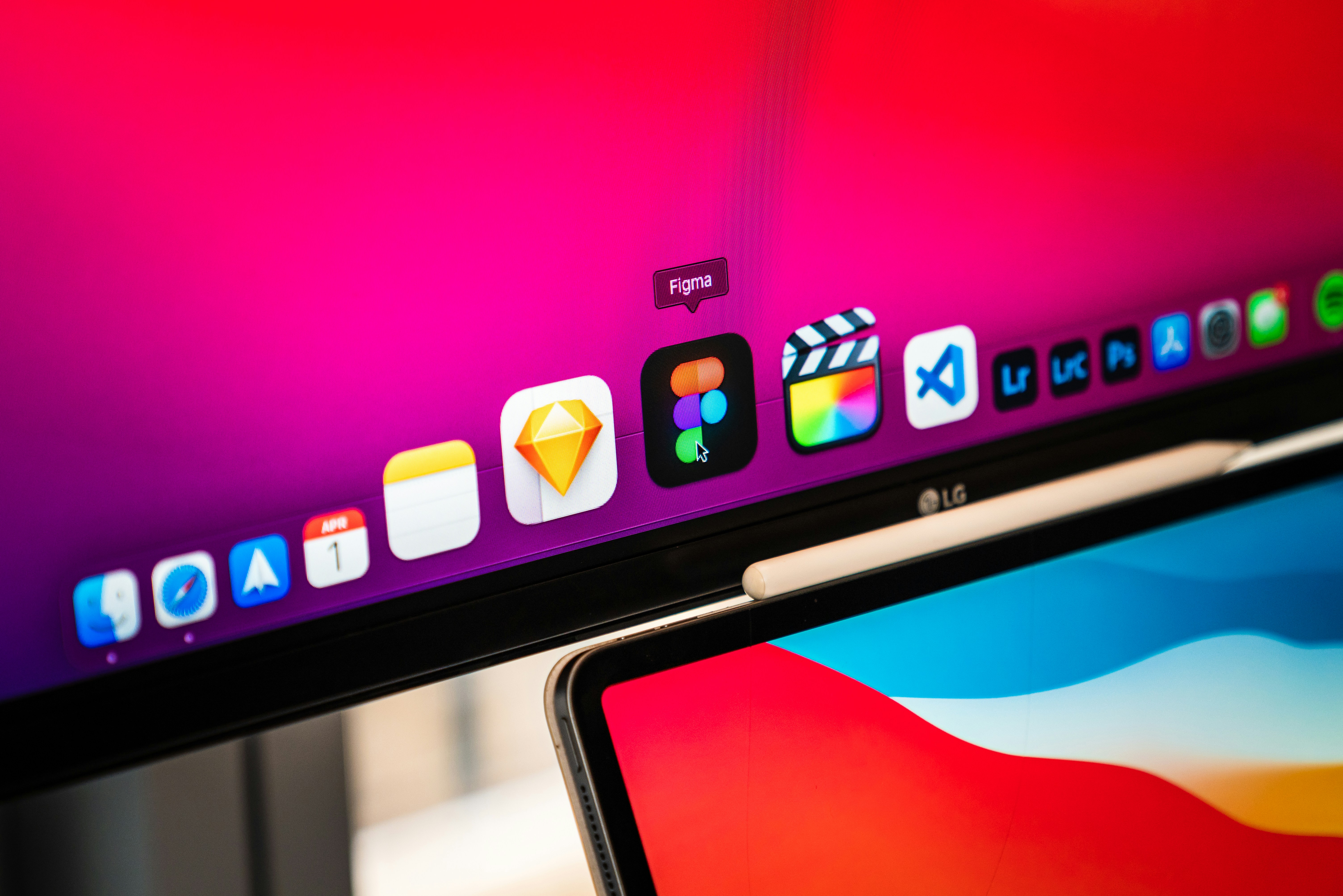
Design is no longer just about colours and icons — it’s about understanding people, their journeys, and the emotions behind every click or tap.
UI (User Interface), UX (User Experience), and CX (Customer Experience) together shape how products are perceived, trusted, and loved.
Figma has become the global standard tool for design collaboration.
It allows teams to co-create, prototype, and hand off designs to developers in real time, replacing years of fragmented workflows across Photoshop, Illustrator, and wireframing tools.
At Oliya Academy, students learn how to translate ideas into experiences — from the first wireframe to a polished, interactive prototype — using the same processes and tools as leading product companies around the world.
What We Teach at Oliya.tech
The design curriculum at Oliya Academy trains students to think, plan, and execute design projects exactly like industry professionals.
They begin by understanding user psychology and interface logic, then move into design systems, visual consistency, and cross-platform branding.
Core Learning Pathway
Foundations of Design Thinking – learning empathy mapping, problem framing, and ideation processes used by product teams at IDEO, Google, and IBM.
Wireframing & Information Architecture – creating low-fidelity and high-fidelity wireframes in Figma, organising navigation flow and hierarchy.
UI Systems & Components – applying Material UI principles, using tokens, grids, typography, spacing, and reusable components.
UX Research & Prototyping – conducting user interviews, usability testing, and journey mapping using tools like Hotjar and Lookback.
Customer Experience (CX) – designing multi-channel journeys: web, mobile, social, and in-person touchpoints.
Brand & Visual Identity – colour psychology, iconography, accessibility (WCAG 2.1), and responsive layouts for global inclusivity.
Figma Team Collaboration – building design systems in shared libraries; developer handoff using Figma Inspect and Zeplin-style tokens.
Cross-Discipline Collaboration – syncing with developers via GitHub discussions and Sintra.ai project boards.
Design for Conversion (CRO) – applying analytics from GA4 and VWO to enhance design decisions.
Final Capstone Project – designing a complete app interface, from concept through prototype, used by Stream 1 & 2 (React/Django) teams in live projects.
By the end of the design cycle, students can conceptualise, design, test, and deliver an experience ready for both developers and users — a skill set identical to what top-tier design agencies expect.
Industry Examples
Each of the following cases is publicly verified via design-system documentation, official engineering blogs, or open repositories.
1. Uber Design System (Base)
Uber’s global design system, called Base, is maintained in Figma and React.
It ensures brand and interface consistency across Uber, Eats, Freight, and Driver apps.
Uber Design’s blog confirms Figma as their real-time collaboration tool for cross-team workflows.
2. Spotify Design Language
Spotify’s Encore design system, published on its engineering blog, was built in Figma to maintain cohesion across web, mobile, and embedded devices.
Designers and developers co-author components directly in shared Figma libraries.
3. Airbnb Design Language System (DLS)
Airbnb pioneered component-based design frameworks that mirror React.
Their DLS documentation shows Figma as their primary design and prototyping tool, used to define motion, accessibility, and responsive patterns.
4. Atlassian Design System (ADS)
Atlassian, maker of Jira and Confluence, provides open Figma libraries and tokens for its ADS framework.
Designers across the world use these resources to extend Atlassian products — confirming Figma’s role as an industry benchmark.
5. Microsoft Fluent UI
Microsoft’s Fluent UI library is designed in Figma and implemented in React.
Their official documentation and GitHub repos detail Figma files for Office 365, Outlook, and Teams, accessible to partner designers globally.
6. Slack Brand System
Slack’s rebranding case study (published by Pentagram and Slack Design) describes how design and product teams use Figma to collaborate on iconography, interface layouts, and motion prototypes.
This workflow connects marketing, design, and development simultaneously.
7. Airbnb Experiences & Accessibility
Airbnb uses Figma plug-ins for accessibility audits (contrast ratios, ARIA labels).
The company’s accessibility guidelines, open-sourced in 2023, demonstrate how inclusivity testing is built into every design phase.
8. Zoom Interface Modernisation
Zoom UX teams redesigned their interface in 2022 using Figma prototypes to synchronise visual identity across desktop, web, and mobile versions.
The design process was detailed in Zoom’s public case studies on consistent iconography and dark-mode adaptation.
9. Shopify Polaris
Shopify’s open-source design system Polaris was rebuilt on Figma in 2021.
It’s publicly documented and allows third-party app developers to design merchant experiences consistent with Shopify’s brand.
10. BBC GEL (Global Experience Language)
The BBC’s GEL framework defines its design language across news, sport, and children’s platforms.
Figma and similar component-driven tools are central to the BBC’s accessible design and multilingual adaptability processes.
Summary
Across these verified examples, Figma and UI/UX/CX principles define modern digital craftsmanship:
Consistency and Reusability — global teams maintain identical design systems using shared Figma libraries.
Collaboration and Transparency — designers, developers, and product managers work together in real time.
Accessibility and Inclusivity — every design system incorporates colour contrast, keyboard navigation, and localisation.
Conversion-Driven Design — analytics (GA4, VWO, Hotjar) feed directly back into Figma prototypes for measurable UX improvements.
At Oliya Academy, students learn not just to design — but to think like experience architects.
Their designs power real front-end and mobile projects for live clients under Oliya Digital Agency, bridging creativity and engineering seamlessly.
Career Paths
UI/UX Designer – Design intuitive, accessible user interfaces for apps and websites.
Product Designer – Own the complete experience from research to delivery.
CX Strategist – Map customer journeys and optimise omnichannel experiences.
Interaction Designer / Prototype Specialist – Build interactive prototypes using Figma and motion tools.
Design System Engineer – Maintain scalable, token-based design libraries for large organisations.



